How Telehealth Changed My Addiction Treatment Journey

Editor's note: This is an illustrative scenario, not a patient testimonial. It describes questions and logistical issues someone might encounter when considering telehealth care; individual experiences vary.
For two years, I knew I needed help. I'd wake up every morning with the same thought: "Today's the day I call someone." Then reality would hit—my work schedule, the hour-long drive to the nearest clinic, the fear of running into someone I knew in the waiting room. The day would end, and I'd still be stuck.
Telehealth didn't just make treatment easier for me. It made treatment possible.
The Barriers I Couldn't Break Through
I live in a small town in Virginia where everyone knows everyone. The closest addiction treatment clinic was forty-five minutes away in Richmond, and they only had appointments during my work hours. I was barely holding onto my job as it was—asking for time off to go to "the doctor" every week felt impossible without explaining why.
Transportation was another problem. My car was unreliable, and I couldn't always count on it for a round trip. Public transit didn't reach the clinic. I looked into rideshares, but the cost added up fast when you're going weekly, sometimes twice a week.
Then there was childcare. I'm a single parent. Finding someone to watch my kids for a half-day appointment, plus travel time, meant coordinating schedules, asking favors, or paying a babysitter I couldn't afford. It felt like every logistical barrier was designed to keep me from getting help.
The stigma was the heaviest weight. I was terrified of being seen at an addiction clinic. What if my boss found out? What if my ex used it against me in our custody arrangement? The shame of walking through those doors felt unbearable, even though I knew I needed what was inside.
How I Found Telehealth Treatment
I found Grata Health through a Google search at 2 a.m.—one of those desperate nights when you finally admit you can't keep living like this. The website said they offered telehealth Suboxone treatment in Virginia. I remember reading that sentence three times. Treatment from home? It seemed too good to be true.
I filled out an intake form from home and contacted the program about appointment options. Availability can vary, so I asked what times were open and what would happen if I needed to reschedule around work or childcare.
I almost cried.
What My First Video Visit Was Actually Like
I won't lie—I was nervous the morning of my appointment. I'd never done a video call for something this serious. What if the technology didn't work? What if it felt impersonal or rushed?
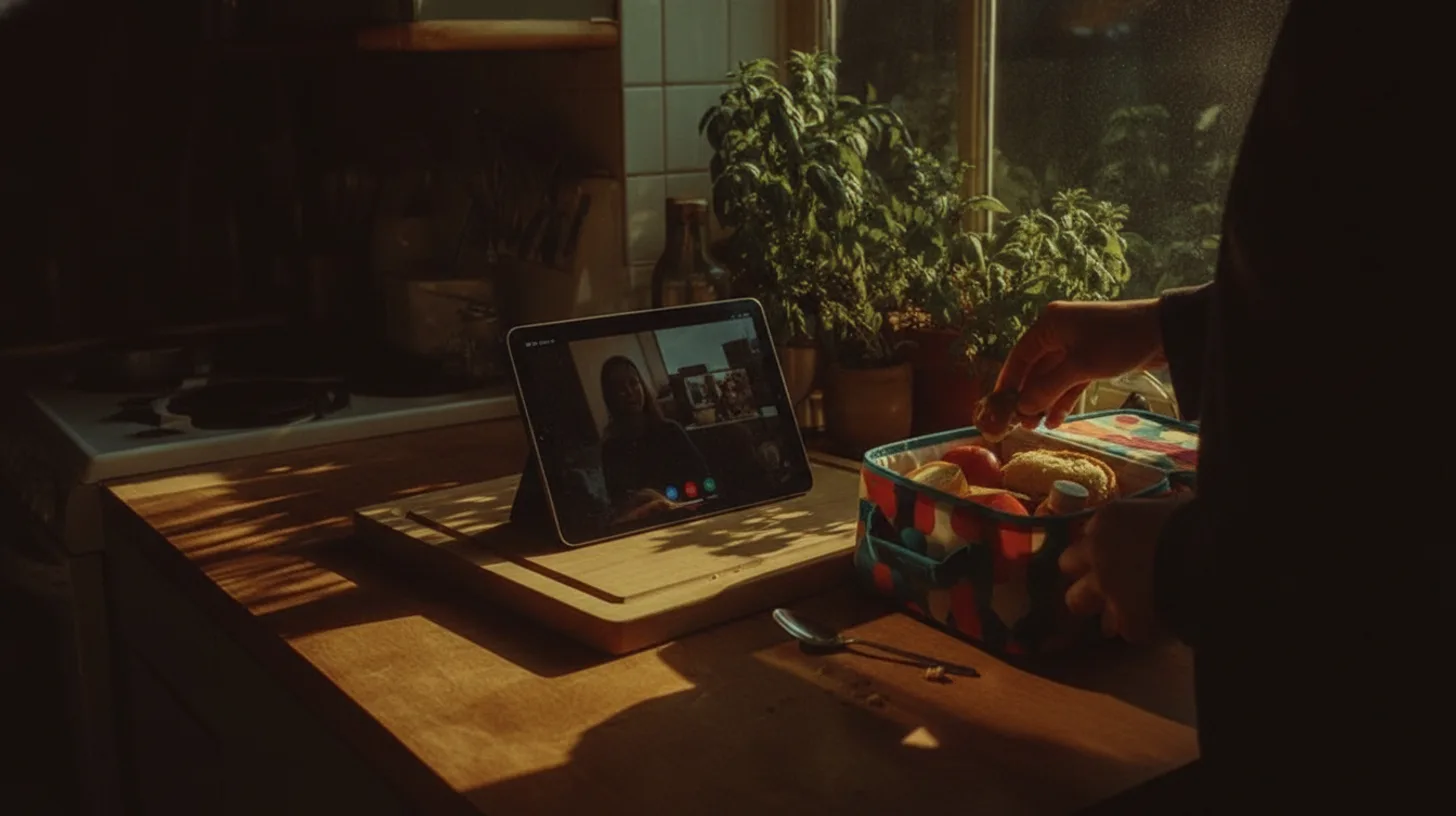
The provider called me through a secure video platform at exactly 7 p.m. She introduced herself, asked how I was doing, and spent the first few minutes just talking. Not about my drug use—about me. My work, my kids, what brought me to this point. It felt like she actually cared, not like I was being processed through a system.
During the appointment, the clinician explained how buprenorphine works, reviewed my health history, and answered my questions. I also asked the program and my insurer about network status, prior authorization, pharmacy benefits, and possible out-of-pocket costs because coverage differs by plan.
When medication is clinically appropriate, prescription timing and pharmacy availability can vary. Confirm the pharmacy, medication stock, and expected cost rather than assuming the prescription will be ready immediately.
If you're wondering what happens at your first telehealth appointment, it's less scary than you think. You sit somewhere private, you talk to a real doctor who knows addiction medicine, and you leave with a plan that fits your life.
The Practical Changes Telehealth Made Possible
The biggest change was consistency. Before telehealth, I'd tried treatment twice and failed both times—not because the medication didn't work, but because I couldn't keep up with appointments. Miss one visit, feel ashamed, stop going entirely.
With Grata Health, my follow-up appointments happened every two weeks at first, then monthly. I could schedule them during my lunch break, after the kids went to bed, or even on weekends. When my car broke down one week, it didn't derail my entire treatment. I still made my appointment.
I stopped losing income. In-person appointments meant at least a half-day off work when you factored in travel and wait times. Telehealth appointments took thirty minutes, and I could do them from my parked car if needed. Over six months, that saved me thousands of dollars in lost wages.
Childcare stress disappeared. My kids didn't need to know what I was doing or where I was going. I'd set up my laptop in my bedroom after tucking them in, and that was it. No complicated logistics, no awkward explanations.
The stigma faded too. Not completely—I still struggle with shame sometimes—but not having to walk into a clinic, not worrying about who might see my car in the parking lot, took away a huge source of anxiety. I could focus on getting better instead of hiding.
What I Wish I'd Known Sooner
I wish I'd known that telehealth treatment was just as legitimate as in-person care. I'd internalized this idea that "real" treatment had to happen in a clinic, with in-person counseling and daily check-ins. The truth is, telehealth and in-person treatment have similar outcomes for most people.
The composite character also explores counseling resources and peer support. Availability of those resources varies and is not a claim about services Grata provides.
The biggest thing? I wish I hadn't waited two years. I kept thinking I needed to hit some kind of rock bottom first, or that I needed to be "ready enough" for treatment. Looking back, every month I waited was a month I didn't have to lose.
If you're reading this and you've been putting off getting help because of logistics, please don't wait as long as I did. The barriers you're facing are real, but they're not insurmountable. Telehealth exists specifically to help people like us—people with jobs, kids, unreliable transportation, small-town stigma, complicated lives.
Six Months Later
In a real treatment plan, progress may include attending follow-ups, discussing cravings honestly, reducing non-prescribed opioid use, and working toward personal goals. Medication cannot guarantee employment, parenting, relationship, or abstinence outcomes, and the care plan may change over time.
None of that would have happened without telehealth removing the barriers that kept me stuck. I needed treatment that fit my life, not a life that fit treatment's requirements.
If you're in Virginia, Ohio, or Pennsylvania and considering treatment, you can ask Grata Health about telehealth eligibility. Appointment availability, insurance participation, benefits, pharmacy access, and the need for in-person care vary.
You don't need to have everything figured out. You don't need perfect circumstances. You just need to take the first step.
I took mine at 2 a.m. on my couch, scared and exhausted. Six months later, I'm writing this to tell you it was worth it. You're worth it too.
Get started with telehealth treatment today—the first appointment can happen as soon as tomorrow.
Grata Health offers same-day telehealth appointments in Virginia, Ohio, and Pennsylvania and accepts most insurance plans. Specific benefits and eligibility vary by plan and individual circumstances.
About the author

Editorial Team
The Grata Editorial Team produces educational content about opioid use disorder, treatment access, and recovery. Articles are written to explain complex topics in clear, supportive language and help readers prepare useful questions for qualified professionals.
View full profileReviewed by
Clinical Review Team
The Grata Care Team supports people seeking treatment for opioid use disorder. When an article names the Grata Care Team as its reviewer, that attribution identifies the clinical review associated with that article.
View full profileReady to start your recovery?
Grata Health offers same-day telehealth appointments in Virginia, Ohio, and Pennsylvania and accepts most insurance plans.